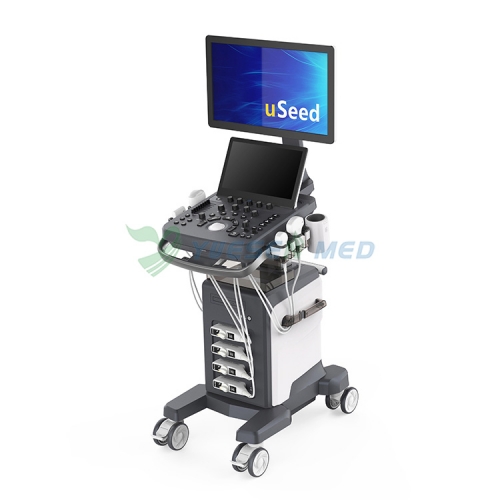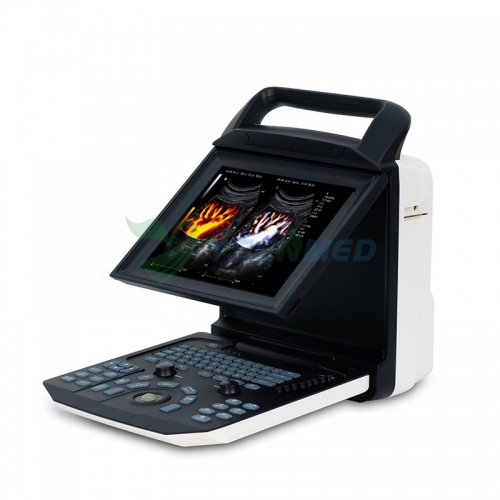
An ultrasound machine is purchased as a combination of a platform, transducers, software and support. A price attached to the console alone says little about whether the hospital can perform its intended work. Start by asking the department to list the examinations it plans to offer and the people who will use the system. Separate essential requirements from future possibilities. The resulting specification should describe a usable clinical configuration, not merely a preferred screen size or an impressive feature list. This gives hospital managers and suppliers a common starting point for discussing suitable ultrasound equipment and prevents unrelated offers from being compared as equivalents.
Identify the clinical services that will share the system and ask qualified users to define their needs. Record expected examination volumes, operating hours, patient groups and the number of rooms or departments involved. A shared hospital system may face different requirements from a single-specialty clinic or a portable service. Describe reporting and image-review tasks as well as scanning. If the hospital is replacing an existing machine, document what worked well and what caused delays. This is a purchasing brief rather than a clinical protocol: final decisions about examinations, diagnostic performance and operator competence belong to the responsible clinical team.
Portability is not simply a question of whether a machine can be lifted. Ask how it will travel, where it will be positioned during use and how accessories will be transported. A portable console may still need a trolley, battery, probe holders and a practical charging location. A trolley system should be assessed for movement through the intended rooms, accessible controls and the workstation arrangement. Handheld devices require their own review of display compatibility, software, power and data handling. Do not assume that the smallest device is automatically the best choice for every bedside task or that all platforms provide the same functions.
A probe list is one of the most important parts of an ultrasound quotation. Request the exact transducer model, intended applications, compatible system versions and included quantity. Have clinical users review the proposed combination rather than choosing by appearance or a broad label such as abdominal probe. Confirm whether the console has sufficient usable connections for the workflow and whether any adapter is required. Where specialized examinations are planned, ask for the relevant manufacturer documentation and a demonstration. A spare probe or future upgrade should be priced separately so the buyer can see what is available without confusing it with the base package.
Ask the supplier to identify the software functions included at delivery and the licenses needed for the applications in the brief. Terms such as color Doppler, cardiac package, 3D or 4D do not describe an identical scope across every platform. The hospital should verify the exact combination of probe, software and accessories required for its intended tasks. Check whether optional features are permanent licenses, time-limited arrangements or subject to additional hardware. Keep the approved list with the purchase order. A feature shown in a brochure should be treated as unconfirmed until it is explicitly included in the proposed configuration.
A useful demonstration follows a pre-agreed evaluation plan rather than a sequence chosen only to highlight the machine's strongest marketing points. Qualified users can assess the intended workflow, image review, control layout, measurement tools and reporting process. Use appropriate test material and locally approved arrangements; never substitute a sales demonstration for the institution's clinical governance. Record the system version, transducers and options used so the hospital can determine whether the quoted configuration matches the demonstration. Where a remote demonstration is used, identify what it cannot verify and which checks remain necessary before the equipment is accepted.
Discuss the complete route from image acquisition to report review and record retention with the hospital's information technology team. Ask how images are exported, which formats are supported, what storage is provided and who is responsible for backup. If DICOM connectivity is required, exchange conformance information and define the actual transfer and worklist functions to be tested. Also clarify user accounts, network access and software updates. A statement that the system can connect to a network does not establish that the hospital's existing archive will receive every required object. Integration responsibilities should be agreed before the purchase is finalized.
YSENMED’s Mali delivery record identifies a YSB-S7 trolley color Doppler system and reports positive customer feedback about image quality and after-sales service. It describes one delivery, not an independent comparison between ultrasound platforms.
The procurement lesson is to request a similarly clear description of your own equipment and support package. Ask which probes and licenses are included, who provides orientation and how service requests are managed. A case can help illustrate a supplier's recorded activity, but the buyer still needs configuration-specific documentation, an evaluation process and written commitments for the new purchase.
Probe availability and condition can affect whether a department can continue its intended work. Ask for the manufacturer's instructions covering handling, compatible cleaning products, storage and any specialized reprocessing requirements. The institution's infection prevention team should review the workflow; a generic purchasing article cannot determine a safe procedure for every transducer. Clarify warranty boundaries, how damage is assessed and how a replacement is ordered. Request expected availability and pricing of replacement probes rather than assuming they will remain inexpensive. Budget for practical storage, transport and staff orientation so that a technically suitable system is also supported by a workable daily process.
Compare the console, probes, application licenses, trolley, power accessories, delivery, installation and training as distinct items. Add software support, preventive service and likely replacement requirements where these can be estimated. Specify the period and workload assumptions behind any comparison. A low initial cost can be attractive, but it becomes difficult to interpret if one offer omits the probes or software included in another. Ask when the warranty starts and whether the probe, console and accessories have different terms. Review shipping and customs responsibilities for repair parts. Do not convert a general sales statement about service into an assumed local repair guarantee.
Name the staff who will attend training and distinguish equipment operation from clinical competency development. Agree the language, format, materials and scope of orientation, plus the process for additional questions after handover. The acceptance record should identify the delivered serial numbers, transducer models, software options and accessories. Test the agreed image-transfer and reporting workflow and document outstanding issues. Where the hospital needs specialist technical or clinical checks, arrange them with the responsible personnel. Delivery, user orientation and clinical release are different milestones; combining them into a single informal signature can leave important responsibilities unresolved.
Send the supplier a short but structured request: intended applications, approximate workload, preferred form factor, probe list, required software, connectivity, language, destination and installation timetable. Ask for an itemized offer with optional upgrades clearly separated. Include current site conditions and any tender documentation requirements. For buyers in different countries, import and operating requirements must be checked by the responsible local parties rather than inferred from another customer's shipment. A precise request gives suppliers a better opportunity to propose an appropriate configuration and gives the hospital a defensible basis for comparing the answers.
Does adding more probes always make a quotation better? Only if those probes support the services the clinical team intends to provide. Is a portable ultrasound machine automatically suitable for every specialty? Suitability depends on the actual platform, transducers, software and user requirements. Does color Doppler imply that every optional measurement package is included? The configuration sheet must say so explicitly. Can a good customer case replace a local evaluation? It can provide useful context, but it does not replace the buyer's own checks. A purchase is easier to manage when these questions are settled before price negotiations reach their final stage.
Lead Protection Door Delivered to El Salvador
Color Doppler Ultrasound Delivery to Mali
Veterinary Anesthesia Equipment Delivered to Argentina