We use cookies to improve your online experience. By continuing browsing this website, we assume you agree our use of cookies.
icon email
icon map
Haizhu District,
Guangzhou, 510000
icon phone
TEL: +86-20-34174605
MOB: +86 17727659022(whatsapp)
Industry News

Veterinary Clinic Equipment Planning: A Practical Guide to Imaging, Surgery and Laboratory Setup

Views : 246
Author : YSENMED Editorial Team
Update time : 2026-10-27 16:52:00

Start with the services your clinic intends to provide

Veterinary clinic equipment planning should begin with a service plan, not a shopping list. A small-animal practice, a referral hospital and a mobile veterinary service can need very different combinations of imaging, surgery and laboratory equipment. Identify the animals normally treated, the services offered at opening and the work that will continue to be referred elsewhere. The responsible veterinarians should define the clinical requirements, while the purchasing team records cost, site and support constraints. This makes it easier to prioritize equipment that can be used effectively and avoids spending the entire budget on devices that the clinic is not yet staffed or prepared to operate.

YSDR-VET320 veterinary digital X-ray system — product image
YSDR-VET320 veterinary digital X-ray system — product image · Product source

Describe animal sizes, case mix and staffing

Record the expected species, size range and approximate workload rather than using the word veterinary as a complete specification. Patient positioning, table dimensions, accessories and documented device applications all need review against the intended animals and services. Identify the qualified staff who will use and maintain the equipment, including arrangements outside normal hours. If a service depends on specialist skills that are not yet available, include the training or recruitment plan in the project. A device purchase does not create clinical competence by itself. The final equipment configuration should be approved by the veterinary team responsible for its intended use.

Create a phased purchasing plan

Divide the equipment schedule into opening requirements, planned service expansion and optional future investments. Phasing does not mean accepting incomplete safety or support arrangements for the services offered at opening. Each phase should be operationally complete, including accessories, utilities, maintenance and staff readiness. For example, a later imaging purchase may still affect the room layout and electrical planning now. Record those dependencies early. Avoid setting dates for expansion solely because a catalogue package is discounted. A phased plan is useful when it is tied to actual service demand, staffing and financing rather than an assumption that more equipment automatically produces more business.

Plan veterinary imaging as a complete workflow

Ask the veterinary team to define the intended radiography or ultrasound applications and patient handling requirements. A digital X-ray proposal should identify the generator, detector, positioning equipment, software and image-review arrangement. An ultrasound proposal should identify the platform, transducers and application software. Confirm the documented compatibility of every component rather than assuming that human and veterinary equipment are interchangeable. Radiation protection, installation and operating permissions must be addressed by appropriately qualified parties under local requirements. The purchasing article provides a planning framework; it does not determine a safe room design or a clinical imaging protocol for a particular practice.

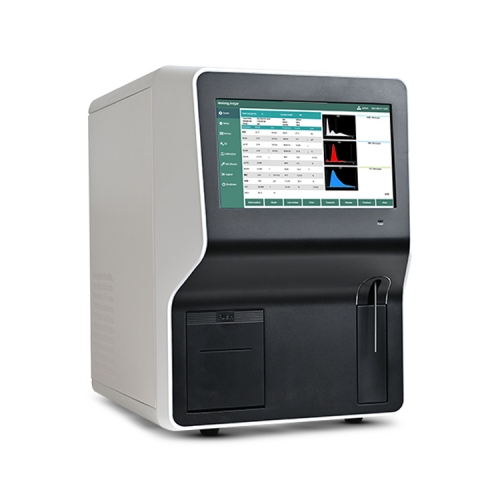
YSTE320A VET veterinary hematology analyzer — product image
YSTE320A VET veterinary hematology analyzer — product image · Product source

Assess the surgery area and its supporting equipment

Build the surgical equipment list around the procedures the clinic is qualified and prepared to perform. Patient positioning, lighting, anesthesia, monitoring, instruments, suction and supporting supplies should be reviewed together by the veterinary team. These are planning categories rather than a universally sufficient kit. Specify table dimensions, adjustment features, accessories and manufacturer limits for the intended patients. Ask which components and consumables are included in an anesthesia or monitoring quotation. A basic console without the required accessories may not form a usable configuration. Do not let a package name replace the item-by-item clinical and technical review.

Match the laboratory to the intended testing service

Define which tests will be performed in the clinic and which will remain with an external laboratory. Ask qualified users to review the intended species, methods, sample types and manufacturer documentation for any analyzer. Do not assume that a human analyzer provides validated performance for the animals being treated. Include sample preparation, storage, controls, calibrators, reagents and waste arrangements in the plan. An analyzer's nominal speed does not represent the entire testing workflow. Consider how results are reviewed and recorded, and establish a referral or backup process where needed. Clinical interpretation remains the responsibility of the veterinary professionals.

Check consumables and compatible accessories

Prepare a replenishment list for each device before approving the order. This may include detector accessories, printer supplies, monitoring sensors, breathing-system components, laboratory reagents or instrument-care materials, depending on the actual configuration. Confirm the exact item references and validated compatibility. Ask about ordering quantities, storage conditions, expiry and the expected route for repeat purchases. A starter kit can support initial setup but may not represent a sustainable supply arrangement. Keep consumables separate from capital equipment in the cost model. This makes it easier to see whether the clinic can continue providing the planned service after the opening stock has been used.

A Fiji delivery illustrates coordinated purchasing

YSENMED’s Fiji veterinary case records a YSDR-VET320 X-ray system, a YSOT-LED50B surgical lamp and cage banks. The report says installation was progressing; it should not be described as proof of a completed clinic handover.

The useful purchasing lesson is that equipment from several functional areas may need to arrive within one coordinated project. For your own clinic, identify the models, room assignments, installation prerequisites and acceptance steps for each item. A shipment containing complementary products does not automatically mean that every imaging, surgical or laboratory requirement has been covered. The approved service plan should remain the reference.

YSFT-886H veterinary operating table — product image
YSFT-886H veterinary operating table — product image · Product source

Review rooms, access and utilities before delivery

Check the proposed equipment against the actual floor plan and access route. Door widths, transport paths, positioning space, work surfaces, power supply and environmental conditions should be reviewed where relevant. Ceiling-mounted or fixed equipment can require specialist installation planning. The clinic and its contractors must verify site-specific requirements instead of assuming that an overseas supplier has assessed the building. Ask for installation drawings and prerequisite information early. Record who unloads, stores, assembles and connects the equipment. Where renovation is involved, agree how existing services continue or pause while rooms and utilities are being prepared.

Compare the complete ownership cost

Use the same service assumptions when comparing equipment packages. Include the main devices, required accessories, delivery, installation, orientation, consumables and planned maintenance. Ask for warranty start dates, exclusions and responsibilities for replacement-part freight. Clarify the available support language and whether assistance is remote or provided through a separately agreed visit. A promise to respond to a message is different from a guaranteed repair completion time. The clinic should also consider how a failure affects scheduled work and what backup arrangements are available. A transparent comparison can justify either a basic configuration or a larger investment, depending on the actual need.

Document training and technical handover

Identify who will attend equipment orientation and what the session covers. Separate instruction on device operation from the development of veterinary clinical skills. Request the relevant manuals, accessory lists, maintenance instructions and service contacts. At handover, record delivered models, serial numbers, software options, accessories and any outstanding items. Qualified personnel should complete the necessary technical and functional checks before release under the clinic's procedures. Keep the documentation accessible when staff change. A useful equipment file supports routine management and future servicing; it should not consist only of an invoice and photographs taken when the shipment arrived.

Use an equipment matrix to control expansion

Maintain one schedule with a row for each device or supporting item. Add the clinical service, animal population, room, quantity, required accessories, supplier, installation owner and replenishment route. Mark whether the item belongs to the opening phase or a later expansion. Include evidence for compatibility and written confirmation of any service commitment. Review the matrix with the veterinary team when a new procedure or animal group is added. This prevents an isolated equipment purchase from silently creating new requirements for training, consumables or room changes. It also makes future proposals easier to compare with the equipment already in place.

Questions to resolve before committing the budget

Should every new clinic purchase imaging and laboratory equipment immediately? The service plan, referral options, staffing and sustainable supply arrangements should guide that decision. Can human medical accessories be used for veterinary patients? The exact device, intended use and compatibility must be verified by qualified professionals. Does a complete equipment package guarantee a ready-to-open clinic? Building readiness, permissions, training and acceptance still need their own review. Can customer cases help evaluate a supplier? They provide context when their scope is accurately described. A well-prepared purchase request turns those questions into clear requirements instead of leaving them as assumptions.

Related News
Read More >>
Lead Protection Door Delivered to El Salvador Lead Protection Door Delivered to El Salvador
Oct .21.2026
YSENMED has delivered the YSX1525 Lead Swing & Sliding Door X-ray Lead Protection Door to our customer in El Salvador.
Color Doppler Ultrasound Delivery to Mali Color Doppler Ultrasound Delivery to Mali
Oct .21.2026
A doctor in Mali received the YSB-S7 Color Doppler Trolley Ultrasound Machine from YSENMED. The customer shared positive feedback on the image quality and after-sales service.
Veterinary Anesthesia Equipment Delivered to Argentina Veterinary Anesthesia Equipment Delivered to Argentina
Oct .21.2026
An anesthesiology veterinarian in Argentina ordered a veterinary anesthesia system, an animal vital signs monitor, and a syringe pump from YSENMED.
Veterinary DR Equipment Delivery to Fiji Veterinary DR Equipment Delivery to Fiji
Oct .21.2026
A veterinary doctor in Fiji selected YSENMED equipment for veterinary imaging and clinical setup, including the YSDR-VET320 32kW Digital X-Ray Machine, YSOT-LED50B LED Surgical Lamp, and stainless steel veterinary cage banks.